
Why Poor Invoice Tracking Is Hurting Your Cash Flow in 2026
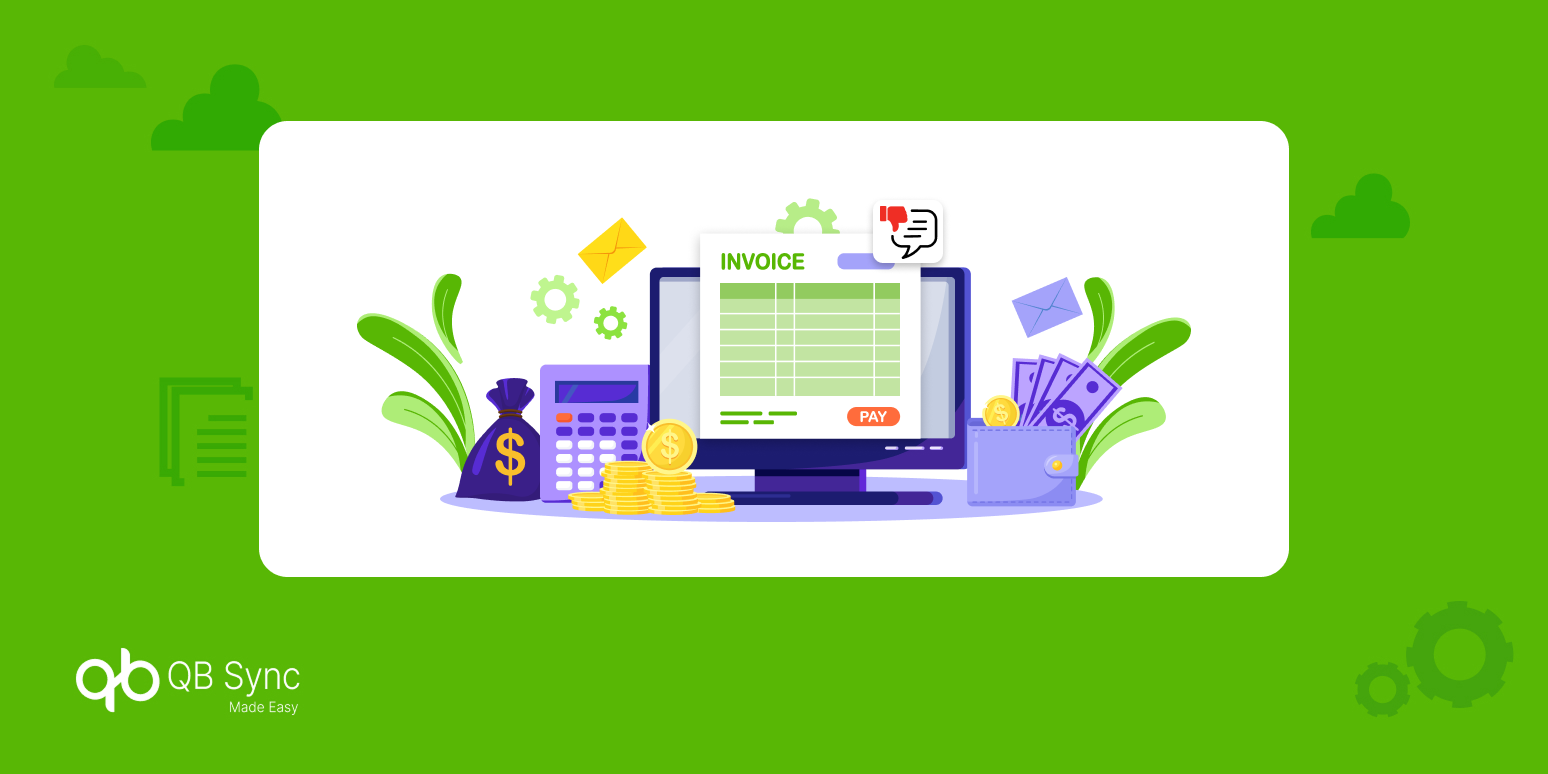
According to recent reports, 61% of small businesses face cash flow issues due to delayed payments and poor invoice management, making invoicing one of the most critical yet overlooked business processes. When invoices are not tracked properly, businesses struggle with late payments, missed follow-ups, and inaccurate financial visibility.
An invoice is not just a billing document, it directly impacts your revenue cycle. However, when companies rely on disconnected systems like Salesforce and QuickBooks without proper synchronization, invoice tracking becomes inefficient.
In this blog, we’ll explore how poor invoice processing affects cash flow and how Salesforce QuickBooks integration can help businesses regain control.
What Is Invoice Tracking and Why It Matters
Invoice tracking is the process of monitoring invoices from creation to payment. It includes tracking statuses such as sent, viewed, overdue, and paid.
When businesses use tools like quickbooks online accounting software without integrating them with CRM platforms like Salesforce invoice systems, data often remains siloed. This lack of visibility makes it difficult to manage outstanding payments.
Effective invoice tracking ensures that businesses maintain consistent cash flow, reduce delays, and improve financial forecasting.
How Poor Invoice Tracking Impacts Cash Flow
Understanding the problem helps connect directly to the solution. Poor invoice tracking creates multiple bottlenecks that slow down revenue.
Delayed Payments and Missed Follow-Ups
Without a proper tracking system, businesses often lose visibility into overdue invoices. This leads to delayed reminders and extended payment cycles, directly impacting cash flow.
Data Inconsistencies Across Systems
When using separate tools without QuickBooks integration, invoice data may not match across systems. This creates confusion for both finance teams and customers.
Increased Manual Work and Errors
Manual invoice processing increases the chances of errors such as duplicate invoices, incorrect amounts, or missed entries, leading to financial discrepancies.
Lack of Real-Time Financial Insights
Without real-time updates, decision-makers cannot accurately assess cash flow, making it harder to plan expenses or investments.
The Root Cause: Disconnected Salesforce and QuickBooks Systems
Most businesses today use Salesforce for customer management and QuickBooks for accounting. However, without QuickBooks Salesforce integration, these systems operate independently.
This disconnect forces teams to manually update invoice data between platforms. As a result, sales teams lack visibility into payment statuses, and finance teams lack context about customer interactions.
This gap is the primary reason why poor invoice processing continues to affect business performance.
How Salesforce QuickBooks Integration Solves Invoice Tracking Issues
To overcome these challenges, businesses are increasingly adopting Salesforce QuickBooks integration. This integration connects CRM and accounting systems, ensuring seamless data flow between platforms.
- Invoice data created in QuickBooks is automatically reflected in Salesforce
- Payment statuses are updated in real time
- Sales and finance teams access the same data
By eliminating manual work and syncing data automatically, businesses can significantly improve invoice tracking and cash flow management.
Key Benefits of Improved Invoice Tracking
Once systems are integrated, the impact is immediate and measurable.
- Faster Payment Cycles: Automated reminders and real-time tracking ensure that customers pay on time, reducing delays.
- Better Financial Visibility: Businesses gain a clear view of outstanding invoices, revenue, and cash flow in one place.
- Reduced Errors and Manual Effort: Automation minimizes human errors and saves time, allowing teams to focus on strategic tasks.
- Improved Customer Relationships: Accurate invoicing and timely communication create a better customer experience and build trust.
To maximize the benefits of integration, businesses should follow these best practices:
- Use automated workflows for invoice creation and follow-ups
- Implement real-time syncing between Salesforce and QuickBooks
- Regularly monitor invoice reports and dashboards
- Standardize invoice formats and processes
These steps ensure consistent and efficient invoice management.
Conclusion
Poor invoice tracking is more than just an operational issue, it directly impacts your cash flow and business growth. Delayed payments, manual errors, and lack of visibility can slow down revenue and create financial instability.
By implementing QuickBooks Salesforce integration, businesses can automate invoice tracking, improve accuracy, and gain real-time insights into their financial health.
In 2026, companies that prioritize efficient invoice management will not only improve cash flow but also gain a competitive advantage.