In 2026, speed and accuracy are no longer optional in finance; they are expected. According to research, 90% of finance functions will adopt at least one AI-enabled solution by 2026, highlighting the rapid shift toward accounting automation.
Manual processes like data entry, invoice tracking, and reconciliation not only slow down operations but also increase the risk of costly errors. That’s why businesses are actively investing in accounting process automation to streamline workflows and improve efficiency.
In this guide, we’ll break down how automating accounting workflows works, which tasks you should automate, and how to choose the right accounting automation tools to save time and scale your business.
What Is Accounting Automation and Why It Matters in 2026
Accounting automation refers to the use of technology to perform repetitive financial tasks with minimal human intervention. This includes automating invoicing, expense tracking, reporting, and reconciliation.
In 2026, businesses are dealing with higher transaction volumes, global operations, and real-time decision-making. Manual accounting simply cannot keep up with these demands.
By adopting accounting automation in 2026, companies can:
- Reduce manual workload
- Improve data accuracy
- Access real-time financial insights
This foundation sets the stage for understanding which tasks should be automated first.
Key Accounting Tasks You Should Automate First
Not all processes need automation immediately. The key is to start with high-impact, repetitive tasks.
Invoice Processing and Billing
Automating invoicing ensures invoices are generated, sent, and tracked without delays. This reduces errors and speeds up cash flow.
Expense Tracking and Categorization
AI-powered tools can automatically categorize expenses, eliminating manual data entry and improving accuracy.
Bank Reconciliation
Automation matches transactions with bank statements in real time, reducing discrepancies and saving hours of manual work.
Financial Reporting
Automated reports provide real-time insights into revenue, expenses, and profitability.
Automating these tasks creates a strong base for fully automating accounting workflows.
How Accounting Process Automation Improves Efficiency
Once key tasks are automated, the overall impact on business operations becomes clear.
Accounting process automation connects different financial activities into a seamless workflow. Instead of handling tasks individually, systems work together to automate the entire process.
This leads to:
- Faster processing times
- Reduced human errors
- Improved compliance
This efficiency allows teams to focus on strategic decision-making rather than routine tasks.
Top Features to Look for in Accounting Automation Tools
Choosing the right accounting automation tools is critical for long-term success.
Real-Time Data Sync
Tools should provide instant updates across systems to ensure accuracy.
AI and Machine Learning Capabilities
AI helps detect anomalies, predict trends, and improve decision-making.
Integration with Other Systems
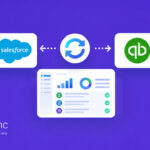
Look for tools that integrate with CRM and payment systems for seamless workflows.
Customizable Automation Rules
Flexibility allows businesses to tailor automation to their specific needs.
These features ensure your automation strategy scales as your business grows.
The Role of AI in Automating Accounting Workflows
AI is at the core of modern accounting automation in 2026. It goes beyond basic automation by learning patterns and improving processes over time.
AI enables:
- Predictive financial analysis
- Automated anomaly detection
- Smart expense categorization
This transforms accounting from a reactive function into a proactive, insight-driven process.
Common Challenges in Accounting Automation & How to Overcome Them
While automation offers many benefits, businesses may face challenges during implementation.
1. Data Migration Issues
Moving data from legacy systems can be complex. Using structured migration tools can simplify this process.
2. Integration Limitations
Not all tools integrate seamlessly. Choosing compatible systems is essential.
3. Resistance to Change
Teams may hesitate to adopt new tools. Proper training and onboarding can address these issues.
Overcoming these challenges ensures a smooth transition to automated workflows.
Best Practices for Implementing Accounting Automation
To maximize the benefits of accounting process automation, follow these best practices:
- Start with high-impact tasks
- Choose scalable tools
- Ensure data accuracy before automation
- Monitor and optimize workflows regularly
These steps help businesses build a strong automation strategy that evolves over time. The future of accounting automation lies in deeper AI integration and fully connected systems.
Businesses will increasingly rely on:
- Real-time data ecosystems
- Predictive analytics
- Fully automated financial workflows
Companies that adopt automation early will gain a competitive advantage through efficiency, accuracy, and faster decision-making.
Conclusion
Accounting automation is no longer a luxury, it’s a necessity in 2026. By automating key tasks like invoicing, expense tracking, and reporting, businesses can save time, reduce errors, and improve financial visibility.
The key is to start small, choose the right accounting automation tools, and scale your automation strategy over time. With the right approach, businesses can transform their accounting processes into a streamlined, efficient system.